Is Your Bladder Lying to You? Understanding Urgency Incontinence
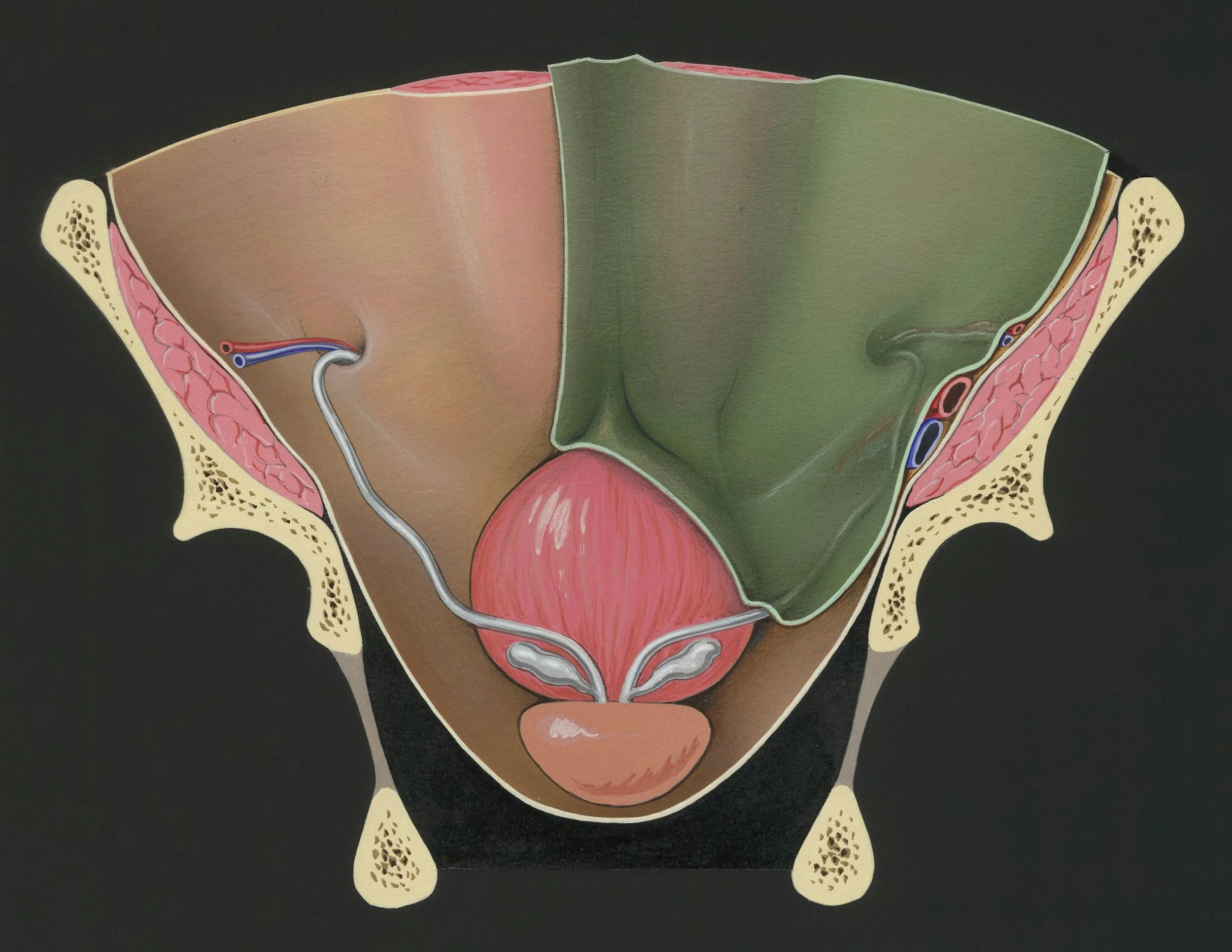
Why “Just-in-Case Peeing” Becomes a Problem
Many people get into the habit of peeing before anything:
Before exercise
Before leaving the house
Before going to the doctor
Before a meeting
Before a car ride
Before bed
Even before they feel an urge
It feels safe. It feels preventative.
But here’s what actually happens:
What Happens With “Just in Case” Peeing
• Early signaling: If you empty your bladder when it’s only partially full, the stretch receptors still send a “voiding” signal.
• Brain adaptation: The brain learns to associate small volumes with urgency. This lowers the threshold for when you feel the need to go.
• Habit loop: Over time, this creates a cycle of frequent bathroom trips, even when the bladder isn’t full.
• Impact: This can mimic or worsen symptoms of overactive bladder and contribute to urgency incontinence.
⚠️ Why It Matters
• Urgency incontinence: Sudden, strong urges to urinate with leakage can develop when the bladder contracts prematurely.
• Stress incontinence: Leaks during coughing, sneezing, or laughing are worsened if pelvic floor muscles are weak.
• Constipation link: Straining increases downward pressure, further weakening pelvic support.
🌟 Workshop Connection
Your Pelvic Floor & Core 75-Minute Intro Class will help women:
• Re-train bladder signaling by practicing healthy bathroom habits.
• Strengthen pelvic floor muscles to reduce leaks.
• Learn strategies to manage urgency and constipation.
• Build confidence with practical daily exercises.
Bottom Line:
Going “just in case” may feel safe, but it teaches your bladder to send false urgency signals. With awareness and pelvic floor training, you can reset this brain–bladder connection and regain control.
⭐ The Good News: You Can Retrain Your Bladder and Brain
Just like they got trained INTO the habit of peeing too often…
they can be trained OUT of it.
✔️ 1. Bladder training
Gradually waiting longer between bathroom trips
teaches the brain:
“A small amount is NOT an emergency.”
The bladder learns to stretch and hold more again.
✔️ 2. Pelvic floor muscle training
Strong, coordinated pelvic floor muscles help:
Stop urgency waves
Reduce stress leaks
Support the bladder and urethra
✔️ 3. Breath retraining
Deep diaphragmatic breathing calms the nervous system and reduces the fight-or-flight urgency signal.
Breath + pelvic floor + patient training =
Better bladder control. Less frequency. Less leaking.
Fun Facts: Normal Functional Bladder Capacity
300–500 mL
➡️ 10–17 oz
➡️ 1.25–2 cups
Other Useful Reference Points
First sensation of bladder filling
100–150 mL
➡️ 3–5 oz
➡️ 0.4–0.6 cups
Strong desire to void
250–350 mL
➡️ 8–12 oz
➡️ 1–1.5 cups
Maximum physiologic capacity
(what the bladder can hold, though it shouldn’t be pushed this far)
600–800 mL
➡️ 20–27 oz
➡️ 2.5–3.3 cups
